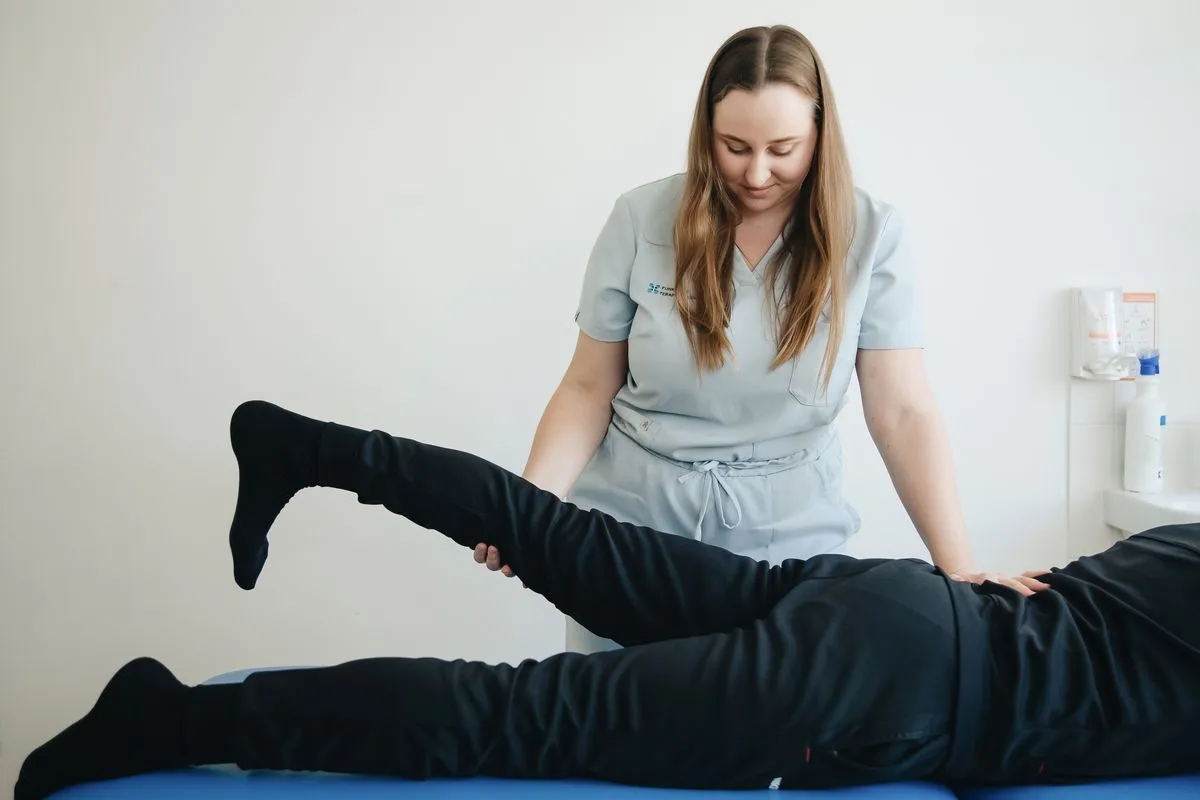
Leaving the hospital or rehab center is a big step. Here is how to choose the right next stage of stroke rehab for you or your loved one.
Recovery after a stroke does not end when you leave the hospital or inpatient rehab. For many people, the most important progress happens over the following months, with steady, focused therapy.
One of the first decisions families face is where that therapy should happen: at an outpatient clinic or at home. Both can work well. This guide explains how stroke rehab works and how to choose.
How Stroke Rehab Works
A stroke injures part of the brain. Rehab helps the brain build new pathways to control movement, a process called neuroplasticity. The keys are:
- Practice that matches real life. Standing up, walking, reaching, and dressing are practiced directly, not just exercised in pieces.
- Lots of repetition. The brain relearns through hundreds of repetitions over time.
- Steady challenge. Tasks get harder as you improve.
Recovery is often fastest in the first few months, but many people keep improving for a year or longer with continued work.
What Therapy Helps With After a Stroke
- Physical therapy: walking, balance, strength, getting in and out of bed or a car, stairs, and fall prevention
- Occupational therapy: arm and hand use, dressing, bathing, cooking, and home safety
- Speech therapy: speaking, understanding, memory and thinking skills, and swallowing
Outpatient Therapy at a Clinic
Best for people who can get to and from a clinic safely, with or without help.
Advantages:
- Access to more equipment, such as parallel bars, treadmills, and balance tools
- A different setting that challenges walking and balance in new ways
- Getting out of the house, which helps many people's mood and motivation
Things to consider: transportation, energy for the trip, and the need for a driver or helper.
In-Home Therapy
Best for people who have trouble leaving home, are early in recovery, or need to practice in their own space.
Advantages:
- Practice happens where it matters: your own bed, bathroom, kitchen, and stairs
- Your therapist can spot hazards and suggest safety changes and equipment
- No travel, which saves energy for therapy
- Family members can easily join sessions and learn how to help
Things to consider: less equipment, and some people progress to outpatient care once they are stronger.
Many people start at home and move to a clinic later. Your therapist can help you decide when.
How Medicare Covers Stroke Rehab at Home
There are two different ways Medicare can cover therapy at home, and they are often confused:
- Home health care is provided by a home health agency. You must be considered homebound, and it usually includes nursing along with therapy.
- Outpatient therapy in your home is provided under Medicare Part B by a therapy practice like ours. You do not need to be homebound. Your normal Part B deductible and coinsurance apply.
You cannot receive both at the same time. Read our guide to Medicare coverage for in-home physical therapy in NJ for details.
Tips for Families
- Join therapy sessions when you can, and ask what to practice between visits.
- Encourage the person to do as much as safely possible on their own.
- Keep walkways clear and add grab bars and night lights.
- Watch for low mood. Depression is common after a stroke and is treatable, so mention it to the doctor.
Know the warning signs of another stroke
Call 911 right away for any of these. Remember BE FAST:
- Balance: sudden loss of balance or coordination
- Eyes: sudden vision loss or double vision
- Face: one side of the face droops
- Arms: weakness or numbness in one arm or leg
- Speech: slurred or confused speech
- Time: call 911 right away
Getting Started
Our team includes two board-certified neurologic clinical specialists (NCS): Dr. Richard Holsman and Dr. Mandakini Desai, who supervises our Maplewood and South Orange clinics. We provide stroke rehab at 17 clinics across New Jersey and New York, including Newark, Paterson, Jersey City, and Brooklyn, plus in-home therapy in Northern New Jersey. In New York, in-home care is provided by our sister practice, Home Therapy PT.
Some insurance plans, including Medicare, have their own referral or certification rules, and our staff will verify your benefits. Call 1-855-465-7626 or contact us.
Frequently Asked Questions
How long does stroke recovery take?
It varies widely. Progress is often fastest in the first three to six months, but many people keep improving for a year or more with continued therapy and practice.
Is in-home or outpatient therapy better after a stroke?
Neither is better for everyone. In-home therapy is often best early on or when leaving home is hard. Outpatient therapy offers more equipment and new challenges once travel is manageable. Many people use both, one after the other.
Do I have to be homebound to get physical therapy at home?
Not for outpatient therapy provided in your home under Medicare Part B. Homebound status is required only for home health agency care.
Can therapy still help years after a stroke?
Yes. Improvement can continue long after the first year, especially with focused, task-based practice. It is never too late to work on walking, balance, or arm use.
Which therapies are needed after a stroke?
Most people benefit from physical therapy, and many also need occupational and speech therapy. The mix depends on which skills the stroke affected.
This article is for general education and isn't a substitute for an evaluation by a licensed clinician.