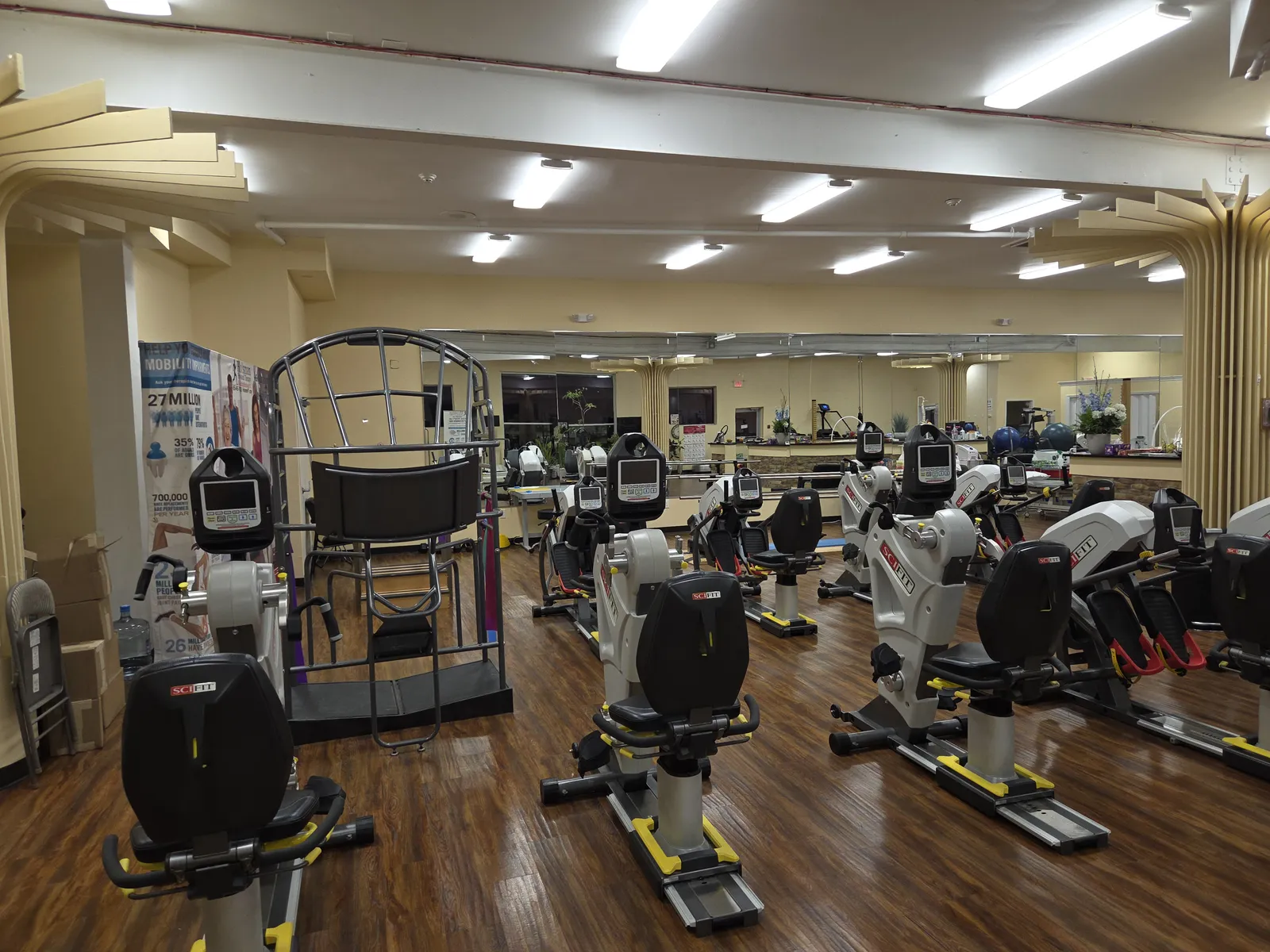
Falls are not a normal part of aging. Most fall risks can be measured and improved. Here is how our No Fall Protocol® and HolStep™ program work.
About one in four adults 65 and older reports a fall each year, according to the CDC. Falls are a leading cause of injury in older adults, and even a fall without injury can lead to fear of falling, less activity, and lost strength.
The good news: falling is not just "part of getting older." Most of the things that raise fall risk can be measured and improved. That is the goal of our fall prevention program, developed by our founder, Dr. Richard Holsman. For more everyday tips, see Fall Prevention for Seniors: Evidence-Based Strategies.
Why Older Adults Fall
Falls rarely have just one cause. Common risk factors include:
- Weak legs and hips, especially trouble getting up from a chair without using your arms
- Balance problems from the inner ear, nerves, or vision
- Slow or unsteady walking, or shuffling steps
- Medicines that cause dizziness or drowsiness, especially when several are combined
- Vision changes, including new glasses or cataracts
- Foot pain or numbness in the feet
- Low blood pressure when standing up
- Home hazards such as loose rugs, clutter, poor lighting, and stairs without rails
- Fear of falling, which leads to less activity and weaker muscles
The more risk factors you have, the higher your risk. Each one you address helps.
Warning Signs You Should Get Checked
- You have fallen in the past year
- You feel unsteady when standing or walking
- You worry about falling
- You hold onto furniture or walls when walking around the house
- You need your arms to get up from a chair
If any of these sound familiar, a fall risk assessment is a smart next step.
How We Measure Fall Risk: The No Fall Protocol®
Our No Fall Protocol® uses standardized tests that researchers and clinicians use worldwide, so we can measure your risk instead of guessing. The assessment includes:
- Berg Balance Scale: 14 tasks such as standing with feet together, reaching, turning, and standing on one leg
- Timed Up and Go (TUG): how long it takes to stand up, walk a short distance, turn, and sit back down. The CDC notes that taking 12 seconds or longer suggests higher fall risk.
- 10-Meter Walk Test: your walking speed, one of the best overall measures of health and function in older adults
These results combine into an overall fall risk score. Repeating the tests later shows exactly how much you have improved.
HolStep™: Training Matched to Your Level
Based on your assessment, you are placed in HolStep™ Level 1, 2, or 3. Each level matches the balance and strength challenge to what you can safely do now, and you move up as you improve. Training typically includes:
- Leg and hip strengthening to make standing, stairs, and walking easier
- Balance exercises that get progressively harder
- Walking practice, including turns, obstacles, and changing speed
- Getting up from the floor, so you know what to do if a fall happens
- A home exercise program to keep progress going
Large research reviews show that balance and strength programs like this reduce falls in older adults.
Simple Home Safety Steps
- Remove loose rugs, or secure them with non-slip backing
- Keep walkways clear of cords and clutter
- Add night lights in the bedroom, hallway, and bathroom
- Install grab bars by the toilet and in the shower
- Use railings on both sides of stairs
- Wear supportive shoes with non-slip soles, even at home
- Stand up slowly, especially after lying down
Other Steps That Help
- Ask your doctor or pharmacist to review your medicines each year
- Get your eyes checked every year
- Tell your doctor about any falls, even ones without injury
Getting Started
Fall prevention is available at all 17 Holsman clinics in New Jersey and New York, including Kearny, Rahway, South Orange, and Lyndhurst. If getting to a clinic is hard, ask about in-home therapy, where we can also check your home for hazards.
Medicare and most insurance plans cover physical therapy for balance problems and fall risk when it is medically necessary. Some plans have their own referral or certification rules, and our staff will verify your benefits. See our insurance page. Call 1-855-465-7626 or contact us.
Frequently Asked Questions
Can physical therapy really prevent falls?
Yes. Research shows that balance and strength training programs reduce falls in older adults. The best results come from programs that are challenging, progressive, and continued over time.
What is the Timed Up and Go test?
It measures how long it takes you to stand from a chair, walk about 10 feet, turn around, walk back, and sit down. The CDC notes that 12 seconds or longer suggests a higher risk of falling.
Does Medicare cover fall prevention therapy?
Medicare covers physical therapy for balance problems and fall risk when it is medically necessary and your plan of care is certified by your doctor. Our staff will check your benefits.
I have never fallen. Should I still get checked?
If you feel unsteady, worry about falling, or need your arms to stand up from a chair, an assessment is worthwhile. It is easier to build balance before a fall than after one.
What should I do if I fall?
Stay calm and check for pain before moving. If you are hurt or cannot get up, call for help. A medical alert device can help if you live alone. A physical therapist can teach you a safe way to get up from the floor.
This article is for general education and isn't a substitute for an evaluation by a licensed clinician.