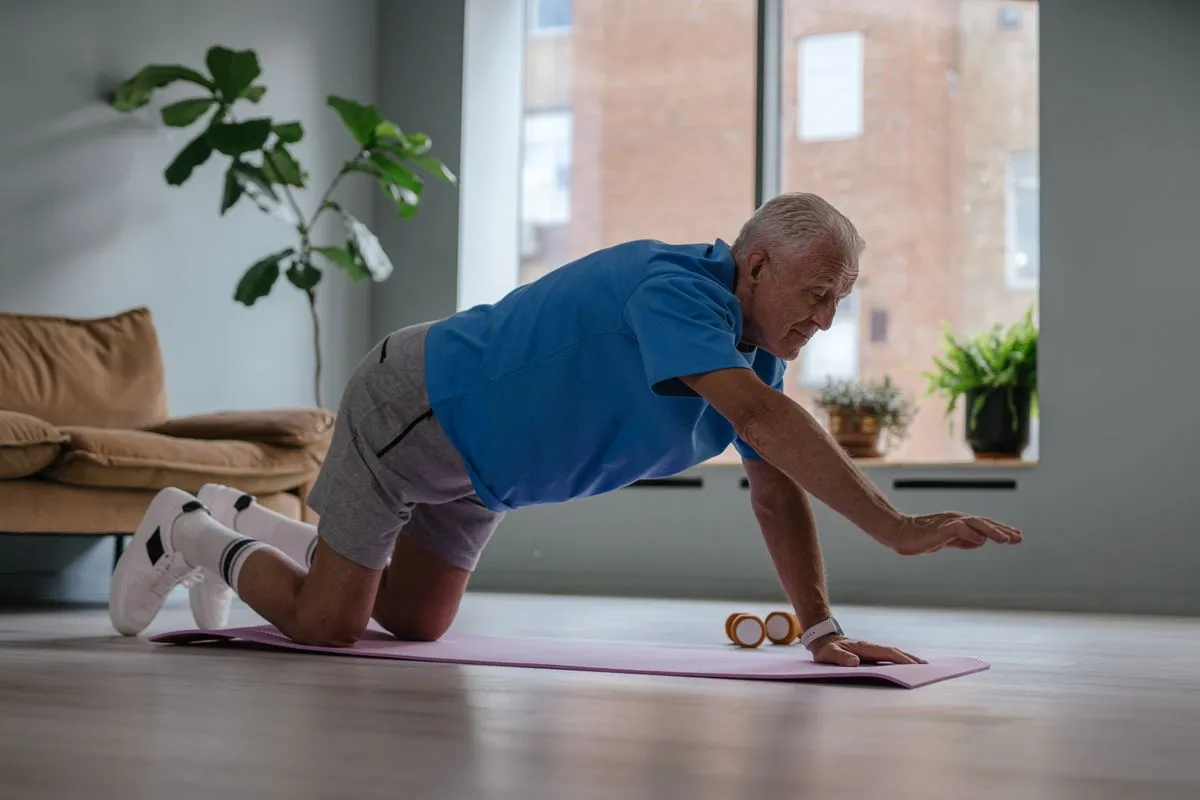
Exercise is one of the most powerful tools for living well with Parkinson's. Here is what a therapy program should include and when to start.
A Parkinson's diagnosis brings a lot of questions. One of the most important answers is also one of the most hopeful: regular, targeted exercise helps. Research shows that people with Parkinson's who stay active move better, walk more safely, and keep their independence longer.
Physical therapy gives you a plan built for how Parkinson's affects your body, and the skills to keep using it at home.
How Parkinson's Affects Movement
Parkinson's disease affects the brain's ability to control movement. Common changes include:
- Smaller movements: shorter steps, softer voice, smaller handwriting
- Slowness: everyday tasks take longer to start and finish
- Stiffness: tight muscles, especially in the trunk, neck, and hips
- Tremor: shaking, often in one hand at rest
- Balance problems: a stooped posture and trouble recovering from a stumble
- Freezing: feeling like your feet are stuck to the floor, often in doorways or when turning
These changes usually develop slowly. The right exercise can help you keep ahead of them.
When to Start Therapy
The best time to start is soon after diagnosis, before problems with walking or balance show up. Early therapy sets a baseline, teaches you an exercise routine you can keep, and lets your therapist catch changes early.
If you have had Parkinson's for years, it is not too late. Therapy can still improve walking, balance, strength, and confidence at any stage.
What a Parkinson's Therapy Program Includes
Physical therapy guidelines for Parkinson's, including the American Physical Therapy Association's 2022 clinical practice guideline, support a mix of these approaches:
Aerobic exercise
Walking, cycling, or treadmill work at a challenging but safe effort. Aerobic exercise improves fitness and may help with movement symptoms. Your therapist will help you find the right intensity.
Big-movement training
Because Parkinson's tends to shrink movements, therapy focuses on large, deliberate movements: big steps, big arm swings, and full reaches. With practice, bigger movement starts to carry over into daily life.
Strength training
Leg, hip, and trunk strength make it easier to get up from a chair, climb stairs, and recover your balance.
Balance and fall prevention
Falls are a major concern with Parkinson's. Balance training, turning practice, and work on getting up from the floor help lower your risk. Our fall prevention program uses standardized tests to measure your risk and track progress.
Gait and freezing strategies
Your therapist will teach cues that help you walk and break a freeze, such as stepping to a beat, stepping over a line on the floor, or counting out loud. Different cues work for different people.
Flexibility and posture
Stretching and posture work target the stiff, stooped posture that often develops over time.
Occupational and Speech Therapy
Parkinson's affects more than walking, so a team approach works best.
- Occupational therapy helps with dressing, handwriting, cooking, and setting up your home to make daily tasks easier and safer.
- Speech therapy helps with a voice that has become soft or hoarse, and with chewing and swallowing problems, which are common as Parkinson's progresses.
Making Exercise a Habit
Therapy works best as an ongoing routine, not a one-time fix. Many people do a course of therapy, then keep exercising on their own or in a class, and come back for a "tune-up" when they notice changes. Your therapist will give you a home program that fits your energy and schedule.
Tips for Daily Life
- Exercise at the time of day when your medicine works best.
- Clear walkways at home and remove loose rugs.
- Turn in a wide arc instead of pivoting in place.
- Sit to put on shoes and pants.
- Stay social. Group exercise classes help with motivation.
Getting Started
Our team includes two board-certified neurologic clinical specialists (NCS): Dr. Richard Holsman and Dr. Mandakini Desai, who supervises our Maplewood and South Orange clinics. Our therapists treat people with Parkinson's across New Jersey and New York.
In New Jersey you can start physical therapy without a referral. New York allows a limited number of visits without one. Some insurance plans, including Medicare, have their own referral or certification rules, and our staff will verify your benefits. See our insurance page.
Visit a clinic such as Caldwell, Cedar Grove, Maplewood, or Bronx (Morris Park), or ask about in-home therapy if travel is hard. Call 1-855-465-7626 or contact us.
Frequently Asked Questions
Can physical therapy slow Parkinson's disease?
No treatment has been proven to stop Parkinson's. But regular exercise and therapy improve walking, balance, strength, and daily function, and help people stay independent longer.
How often should someone with Parkinson's exercise?
Most experts recommend exercising most days of the week, with a mix of aerobic, strength, balance, and flexibility work. Your therapist will set a plan that fits your health and energy.
What helps with freezing of gait?
Cues often help, such as stepping to a beat, stepping over a line, or counting out loud. A physical therapist can find which cues work best for you and practice them in real situations like doorways and turns.
Does Medicare cover physical therapy for Parkinson's?
Medicare covers physical, occupational, and speech therapy when it is medically necessary. Therapy to maintain function can also be covered when it requires a therapist's skill. Our staff will check your benefits.
Do I need occupational or speech therapy too?
Many people benefit from all three. Occupational therapy helps with daily tasks, and speech therapy helps with voice and swallowing. Your therapist can recommend what fits your needs.
This article is for general education and isn't a substitute for an evaluation by a licensed clinician.