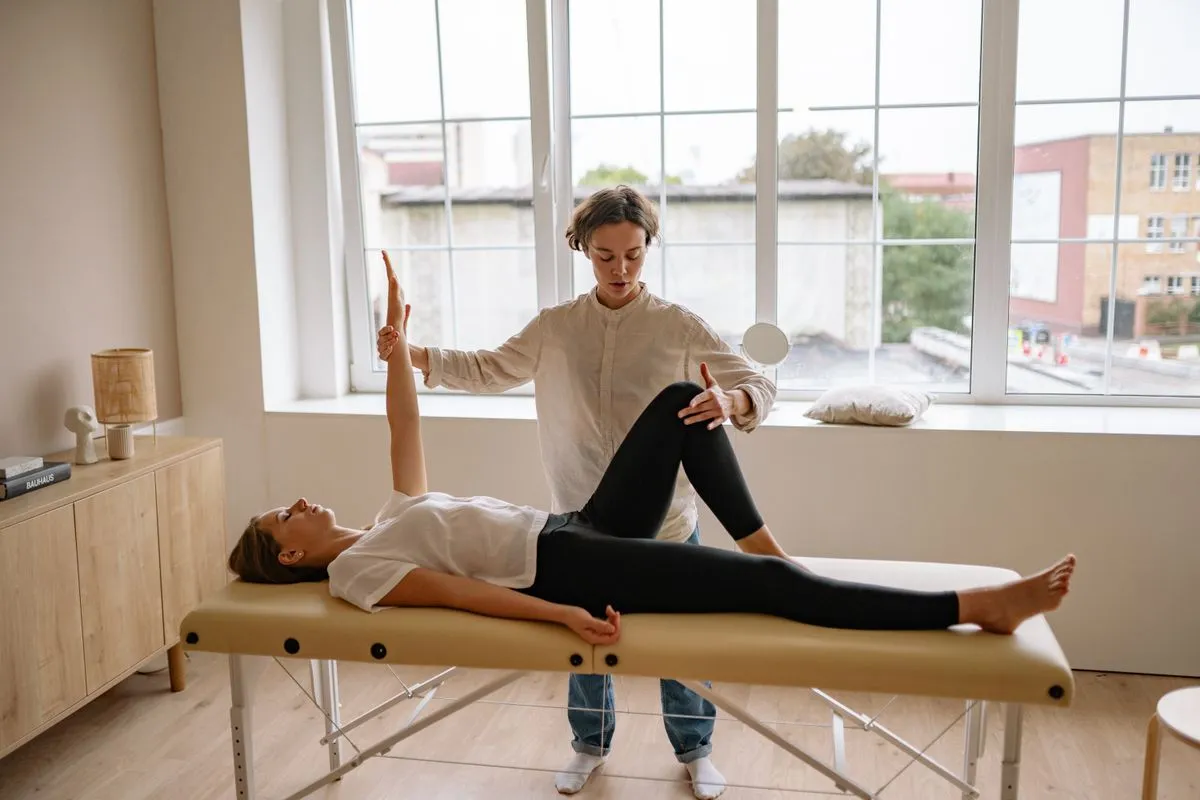
Many rotator cuff problems, including some tears, get better without surgery. Here is how to know which kind you have and what treatment looks like.
Shoulder pain that wakes you up at night or makes it hard to reach overhead is often a rotator cuff problem. If an MRI showed a tear, you may assume surgery is the only answer. For many people, it is not.
This guide explains what the rotator cuff does, which problems respond well to physical therapy, and when you should see a surgeon.
For a broader look at shoulder pain, see Shoulder Pain and Rotator Cuff Problems: How Physical Therapy Helps.
What Is the Rotator Cuff?
The rotator cuff is a group of four muscles and their tendons that wrap around the shoulder joint. They keep the ball of your upper arm centered in the socket and help you lift and rotate your arm.
Common Rotator Cuff Problems
- Tendinopathy: irritation and wear of the tendons, often from overuse or repeated overhead work
- Partial-thickness tear: fraying or a tear through part of the tendon
- Full-thickness tear: a tear all the way through the tendon
- Calcific tendinopathy: calcium deposits in the tendon that can cause sharp pain
Common symptoms include pain on the outside of the upper arm, pain when reaching overhead or behind your back, pain lying on that side, and weakness.
Tears Are Common, and Not Always the Cause of Pain
Rotator cuff tears become more common with age, and many people have tears on MRI with no pain at all. Tears that develop slowly from wear over time often respond well to therapy.
A large multicenter study by the MOON Shoulder Group followed people with atraumatic full-thickness tears through a physical therapy program. About three out of four avoided surgery over the next two years. Most of those who did choose surgery decided within the first three months, so a few months of therapy usually shows whether it is working.
When Physical Therapy Is a Good First Step
Therapy is often the first choice when:
- Pain came on gradually, without a specific injury
- You can still lift your arm, even if it is painful or weak
- An MRI shows tendinopathy, a partial tear, or a degenerative full-thickness tear
When to See a Surgeon Promptly
See an orthopedic surgeon soon if:
- You had a fall or injury and suddenly could not lift your arm
- You are younger and active, and the tear came from a specific injury
- Weakness is severe or getting worse
- You do not improve after a fair trial of therapy
A sudden, injury-related tear may need early surgical repair. Your therapist will refer you if your exam suggests this.
What Physical Therapy Includes
Calming pain
Early on, your therapist helps you adjust activities that aggravate the shoulder, uses hands-on therapy to ease pain and stiffness, and finds positions for comfortable sleep.
Restoring motion
Gentle exercises restore how far and how smoothly your shoulder moves.
Strengthening
This is the heart of treatment. Progressive strengthening targets the remaining rotator cuff, the shoulder blade muscles, and the larger muscles around the shoulder that can help make up for a weak or torn tendon.
Returning to activity
As strength improves, therapy focuses on what you need to get back to: lifting at work, reaching into cabinets, sports, or sleeping through the night.
Additional options
Depending on your condition and clinic, your therapist may add dry needling for tight, painful muscles around the shoulder, or shockwave therapy, which has research support for calcific tendinopathy.
Home Tips for Shoulder Pain
- Keep the arm moving gently within a comfortable range. Avoid putting it in a sling unless your doctor advises it.
- Sleep on the other side or on your back, with a pillow supporting the painful arm.
- Keep things you use often at shoulder height or below.
- Use heat or ice for 15 to 20 minutes, whichever feels better.
- Avoid repeated or heavy overhead lifting while symptoms are high.
Getting Started
In New Jersey you can start physical therapy without a referral. New York allows a limited number of visits without one. Some insurance plans, including Medicare, have their own referral or certification rules, and our staff will verify your benefits. See our insurance page.
We treat shoulder pain at 17 clinics across New Jersey and New York, including Clifton (Route 3), Cedar Grove, Jersey City, and Lyndhurst. Call 1-855-465-7626 or contact us.
Frequently Asked Questions
Can a torn rotator cuff heal without surgery?
A torn tendon usually does not grow back together on its own, but many people regain strength and become pain-free without surgery. Physical therapy strengthens the remaining muscles so the shoulder works well despite the tear.
How long does physical therapy take for a rotator cuff tear?
Many people notice improvement within six to twelve weeks. Building full strength can take a few months. Your therapist will track progress and let you know if a surgical opinion makes sense.
What exercises should I avoid with rotator cuff pain?
While symptoms are high, avoid heavy or repeated overhead lifting and exercises that cause sharp pain. A physical therapist can show you which movements are safe and which to build up gradually.
Do I need an MRI before starting physical therapy?
Usually not. Most people can start therapy based on a clinical exam. An MRI may be ordered if you had a significant injury, have severe weakness, or are not improving with therapy.
When is rotator cuff surgery necessary?
Surgery is often considered for sudden tears from an injury, especially in younger active people, for severe or worsening weakness, or when symptoms do not improve after a fair trial of therapy.
This article is for general education and isn't a substitute for an evaluation by a licensed clinician.