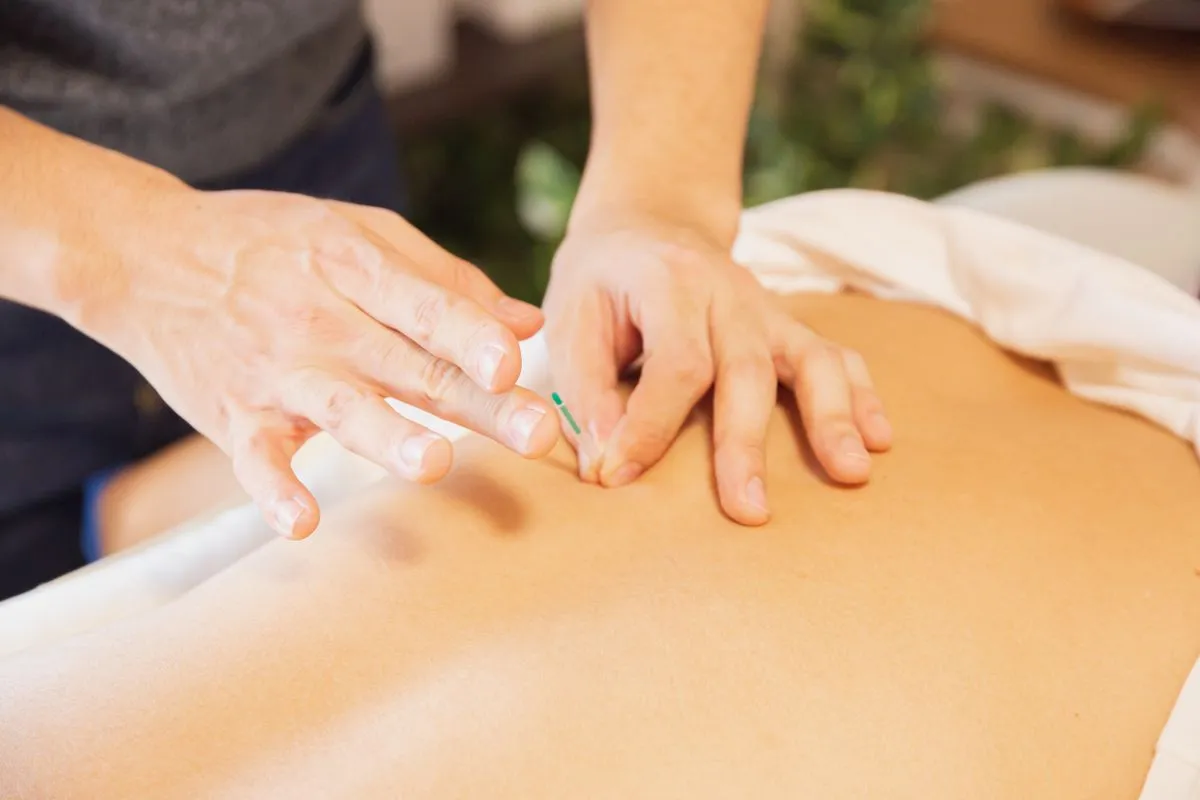
All three can ease muscle pain, but they work differently and come from different traditions. Here is how to tell them apart and choose.
If you have tight, painful muscles, you have probably heard of dry needling, acupuncture, and massage. Two of them use needles, and all three can help you feel better. But they are not the same thing, and the differences matter when you are choosing care.
Dry Needling
What it is: A physical therapy technique that uses thin, solid needles to treat tight bands and tender knots in muscle, called trigger points.
How it works: Your therapist examines how you move, finds the muscles involved, and places the needle directly into the tight spot. The muscle often twitches and then relaxes, which can ease pain and improve movement.
Based on: Modern anatomy and the science of how muscles and nerves work.
Who provides it: Physical therapists with specific dry needling training and certification, as part of a full treatment plan. In New Jersey, PTs must complete 80 hours of board-approved dry needling training first.
What it feels like: A quick pinch, then sometimes a brief twitch, ache, or cramp. Soreness like after a workout for a day or two is common.
Best for: Muscle-related pain that is part of a bigger movement problem, such as neck and back pain, shoulder pain, tension headaches, and sports injuries. It works best combined with exercise.
Learn more on our dry needling page, or read what to expect from dry needling in physical therapy.
Acupuncture
What it is: A practice from traditional Chinese medicine that places thin needles at specific points along the body.
How it works: In traditional terms, acupuncture aims to balance the flow of energy (qi) through pathways called meridians. Researchers also study its effects on nerves, pain signals, and the brain.
Based on: Traditional Chinese medicine, with points chosen by meridian maps rather than by muscle trigger points.
Who provides it: Licensed acupuncturists, and some physicians with acupuncture training.
Best for: People seeking care for chronic pain, headaches, nausea, and other conditions, often as part of a whole-body approach.
Massage Therapy
What it is: Hands-on pressure and movement of muscles and soft tissue.
How it works: Massage relaxes muscles, improves circulation, and calms the nervous system. Many people find it eases stress as well as pain.
Who provides it: Licensed massage therapists. Physical therapists also use hands-on soft tissue techniques as part of treatment.
Best for: Relaxation, general muscle tension, and short-term relief of soreness.
Key Differences at a Glance
- Needles: Dry needling and acupuncture both use thin, solid needles. Massage uses none.
- Where needles go: Dry needling targets tight spots found during a muscle exam. Acupuncture targets traditional points along meridians.
- Goal: Dry needling aims to restore normal muscle function as part of rehab. Acupuncture aims to restore balance in the body. Massage aims to relax tissue and relieve tension.
- Part of a rehab plan: Dry needling is always paired with exercise and movement training in physical therapy. Acupuncture and massage are usually standalone visits.
What About Insurance?
Coverage varies a lot:
- Dry needling is often not covered by insurance. Medicare does not cover it, and many commercial plans do not either. Your physical therapy visit itself may still be covered.
- Acupuncture coverage varies. Medicare covers acupuncture only for chronic low back pain, from qualified providers.
- Massage therapy is usually not covered unless it is part of a medical treatment plan.
Our staff will check your benefits and explain any self-pay cost before treatment. See our insurance page.
How to Choose
Ask yourself what you want:
- If pain is limiting how you move, such as reaching, turning your neck, or walking, start with a physical therapy evaluation. Your therapist can decide whether dry needling, hands-on therapy, or exercise will help most.
- If you want a traditional, whole-body approach, acupuncture may fit.
- If you mainly want relaxation and relief from everyday tension, massage is a good choice.
These options can also work together. Many people use massage for upkeep and physical therapy for an injury or pain that is not going away.
Is dry needling safe?
Serious problems are rare when it is done by a trained clinician. Tell your therapist if you take blood thinners, are pregnant, have a weakened immune system, have lymphedema, or have a strong fear of needles. Dry needling is always your choice.
Getting Started
Doctors of Physical Therapy certified in dry needling by the American Academy of Manipulative Therapy are available at our Fair Lawn, Lyndhurst, and Caldwell clinics in New Jersey. In New Jersey you can start physical therapy without a referral; some insurance plans require one for coverage. Call 1-855-465-7626 or contact us.
Frequently Asked Questions
Is dry needling the same as acupuncture?
No. Both use thin needles, but dry needling targets tight spots in muscle based on a physical exam and is part of a physical therapy plan. Acupuncture is based on traditional Chinese medicine and targets points along meridians.
Which is better for muscle pain, dry needling or massage?
It depends on the problem. Massage is great for relaxation and general tension. Dry needling targets specific tight spots and works best for pain that limits movement, combined with exercise.
Does dry needling hurt more than acupuncture?
Dry needling can feel more intense because the needle targets tight muscle, which may twitch or ache briefly. Most people find it very tolerable, and soreness usually fades within a day or two.
Does insurance cover dry needling?
Often not. Medicare does not cover dry needling, and many commercial plans do not either. Our staff will explain any self-pay cost before treatment.
Where can I get dry needling in New Jersey?
Holsman offers dry needling by certified physical therapists at our Fair Lawn, Lyndhurst, and Caldwell clinics.
This article is for general education and isn't a substitute for an evaluation by a licensed clinician.