Finishing physical therapy is a milestone, not the finish line. Here is how Pilates can help you keep your progress and prevent the next flare-up.
You worked hard in physical therapy. Your pain is down, you are moving better, and you have been discharged. Now what?
For many people, the hardest part is keeping progress going once regular visits end. Home exercises fade, old habits creep back, and pain returns. Pilates can be a strong bridge between physical therapy and long-term health.
What Is Pilates?
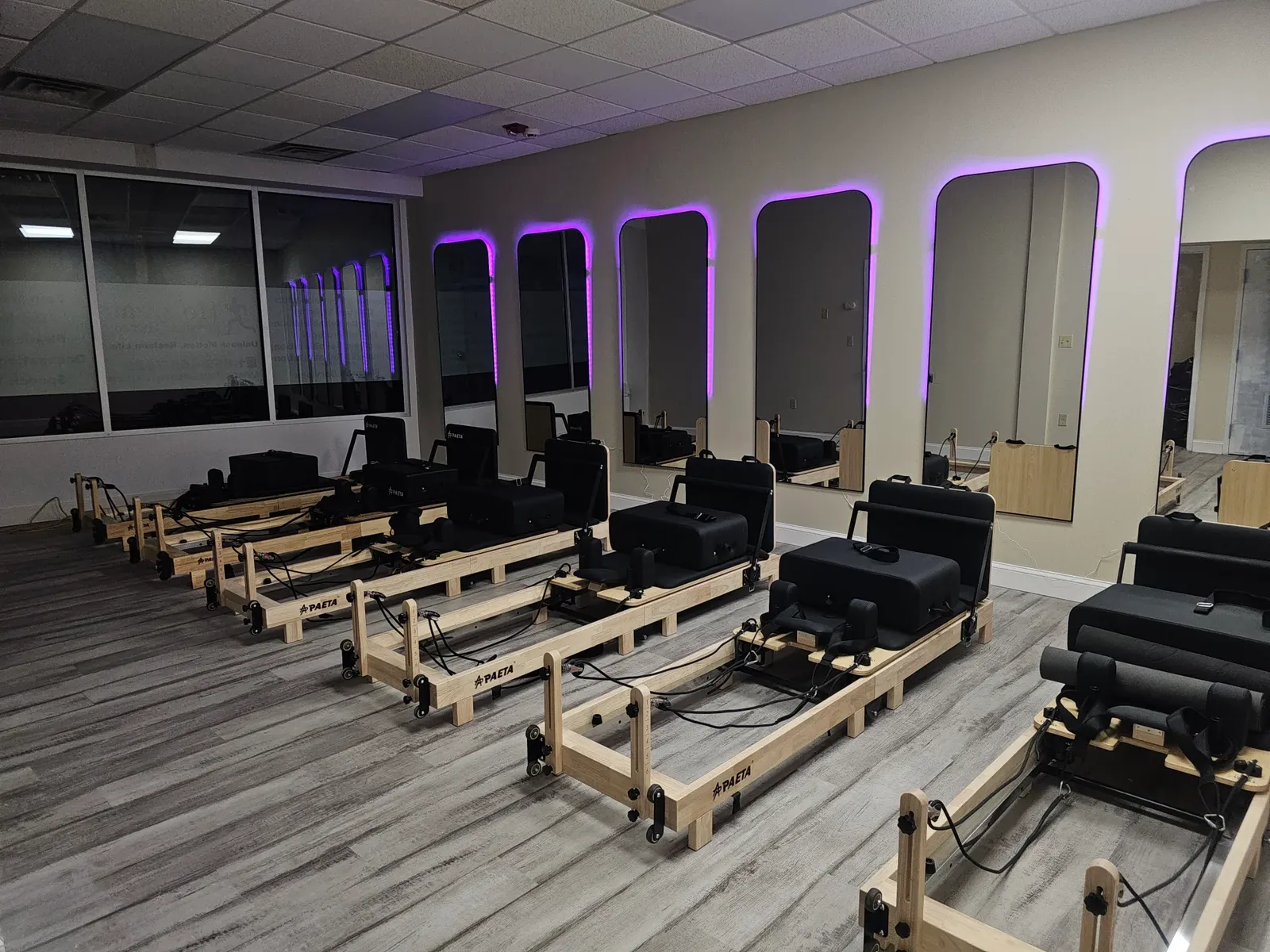
Pilates is a form of exercise that focuses on controlled movement, core strength, flexibility, posture, and breathing. It can be done on a mat or on equipment such as the reformer, a sliding carriage with springs that add support or resistance.
Because springs can either help or challenge you, the reformer is easy to adjust for people at very different levels, including those coming out of rehab.
What Makes Clinical Pilates Different?
Clinical Pilates adapts Pilates for people with injuries, pain, or health conditions. Compared with a general fitness class, it puts more emphasis on:
- Screening first, so exercises fit your history and any limits
- Modifying exercises to protect a healing area
- Small groups or private sessions with closer attention to form
- Gradual progression that builds on what you did in therapy
How Pilates Supports Life After PT
It continues your strengthening
Many PT programs focus on the deep core, hips, and shoulder blade muscles. Pilates trains the same areas in a structured, progressive way.
It builds body awareness
Pilates teaches you to notice and control how you move. That awareness carries over to lifting, bending, sitting, and sports.
It improves flexibility and mobility
Controlled stretching through full ranges of motion helps keep stiffness from returning.
It keeps you consistent
A regular class on your calendar is much easier to stick with than a home program done alone.
What Does the Research Say?
Research reviews have found that Pilates reduces pain and improves function in people with chronic low back pain compared with little or no exercise. Studies generally find it works about as well as other forms of therapeutic exercise. That is good news: the best exercise is often the one you enjoy and will keep doing.
Who Is Pilates Good For?
Pilates is a good fit for many people after therapy, including those who have had:
- Low back pain or sciatica
- Neck or shoulder pain, including rotator cuff problems
- Hip or knee pain, or a joint replacement, once cleared by your surgeon
- Sports injuries
- Postural strain from desk work
It also suits people who simply want to get stronger and move better.
When to Wait or Check First
Talk with your physical therapist or doctor before starting if you:
- Are still in the early healing stage after surgery or an injury
- Have pain that is getting worse
- Have osteoporosis, since some bending and twisting moves may need to be modified
- Are pregnant or recently gave birth
- Have new numbness, tingling, or weakness
Moving From PT to Pilates
- Ask your physical therapist whether you are ready and what to focus on or avoid.
- Share your history with your Pilates instructor, including any limits from your therapist.
- Start with private or small-group sessions to learn the basics with close guidance.
- Progress gradually, and keep doing the home exercises that worked for you.
- Come back to PT if pain returns. A quick tune-up can stop a small flare from becoming a big one.
Holsman Pilates in Lyndhurst
Our Pilates studio at 724 Ridge Road in Lyndhurst shares a home with our physical therapy clinic, which makes the move from rehab to the studio simple. Your therapist and instructor can coordinate so your Pilates work builds on what you did in therapy.
Call the studio at (201) 932-2691 to ask about classes, private sessions, and pricing, or visit our Pilates page.
Frequently Asked Questions
Is Pilates good after physical therapy?
For many people, yes. Pilates continues the core, hip, and posture work from therapy and helps keep pain from returning. Ask your physical therapist whether you are ready and what to adjust.
What is the difference between Pilates and clinical Pilates?
Clinical Pilates adapts exercises for people with injuries, pain, or health conditions. It includes screening, modified exercises, and closer supervision than a typical fitness class.
Is reformer Pilates safe for back pain?
It can be, especially with an experienced instructor who modifies exercises for you. If your back pain is new, severe, or getting worse, see a physical therapist first.
How often should I do Pilates?
Two to three sessions a week works well for most people. Even one session a week, plus a short home routine, can help you maintain your progress.
Does insurance cover Pilates?
Pilates classes are generally not covered by insurance. Physical therapy, which may include therapeutic exercise, is covered by many plans when medically necessary.
This article is for general education and isn't a substitute for an evaluation by a licensed clinician.